Abstract :
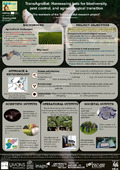
[en] The TransAgroBat project addresses the urgent need to enhance biodiversity protection and reduce environmental pollution in cross-border agricultural landscapes increasingly challenged by global change. Agricultural and industrial intensification have resulted in homogenized landscapes, declining biodiversity, and soil and water contamination, while climate change exacerbates pressures from insect pests and disease vectors. TransAgroBat seeks to tackle these challenges by investigating the ecological role of insectivorous bats as natural pest regulators and bioindicators of environmental quality. By combining ecological, ecotoxicological, and remote sensing approaches, the project is assessing bat diets through DNA analyses, identify pollutant burdens that threaten bat survival, and determine how landscape composition and configuration influence bat behavior, activity, foraging, and colony persistence. Beyond scientific advances, the project seeks to strengthen awareness among farmers, policymakers, and the public of the crucial yet often overlooked ecosystem services bats provide. The project aims to improve public understanding and appreciation of bats, which remain little known and often have a negative image. Through demonstration farms, outreach materials, and participatory events, TransAgroBat promotes actionable solutions for sustainable land management, including improved ecological connectivity and reduced reliance on synthetic pesticides. Its French-Belgian cross-border consortium ensures coherent methodologies and shared strategies to address environmental challenges that transcend national boundaries. Ultimately, the project will deliver concrete recommendations for integrating bats into biodiversity-friendly, resilient, and productive agroecosystems and in European policies.