Abstract :
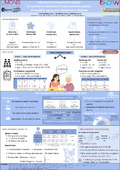
[en] Objectives: This study examines the impact of emotional contexts on three executive functions (EFs), inhibition, cognitive flexibility and planning, in healthy aging and in moderate to severe Alzheimer’s disease (AD), using an ecological spontaneous speech task.
Methods: Two phases will be conducted: (1) development of ExEcoLang Scan, an automated Python-based tool to analyze executive language components in spontaneous speech under different emotional contexts; (2) application of this tool in AD patients.
In the first part, 60 cognitively healthy older adults (MMSE ≥ 27 ; 79.81 ± 5.50 years) completed standardized executive tasks and discussed topics with positive, negative, and neutral valence. Half of the speech were used to train the software to (1) automatically transcribe the recordings, (2) complete a executive components of language grid, and (3) determine a performance level for each EF based on standardized test scores. The remaining data were analyzed blindly by the model to assess its ability to classify executive performance solely from linguistic indicators. In the second part, 108 patients with moderate (MMSE: 10–20) or severe AD (MMSE < 10), will participate in a semi-structured interview covering the three valences conditions. EF indicators identified in these productions using the ExEcoLang Scan will be compared with those of healthy participants.
Results: Findings from the first phase will be presented at the congress. EF indicators extracted from speech are expected to correlate with standardized scores. Moderate AD patients should show greater EF mobilization than severe patients, with stronger engagement in positive and negative contexts.
Conclusions: If the hypotheses are confirmed, the findings would support the clinical relevance of EFs preserved within spontaneous speech as a foundation for developing psychoeducational strategies aimed at reducing behavioral disturbances in patients with AD. Such approaches could ultimately contribute to improving quality of life for patients, caregivers, and relatives.